
Updated Mondays & Thursdays
News & Research
Twice-weekly hand-picked stories from peer-reviewed journals, public health bodies, and autistic-led organizations. We summarize so you can stay current without drowning. Every item links to the original source — and to an archived snapshot in case the live page is updated or replaced between our refreshes.
 ResearchOct 22, 2026· The Transmitter (Spectrum)
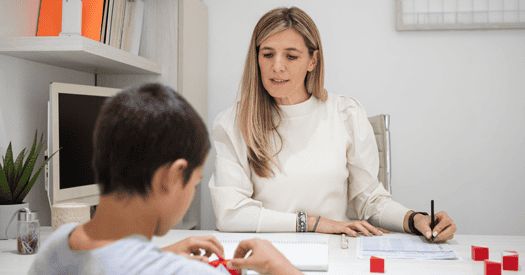
Prevalence of profound autism declines with new definition
The updated, more precise definition used in a CDC study includes adaptive scores.
 ResearchOct 21, 2026· The Transmitter (Spectrum)
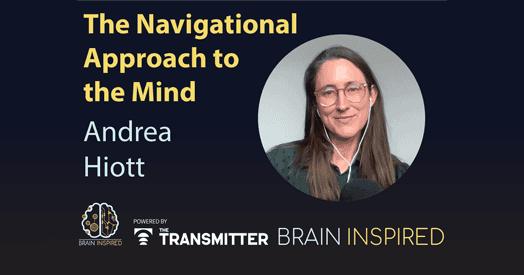
Is it time for neuroscience to shift its focus from a computational mind to a navigating mind?
Andrea Hiott explains her navigational approach to the mind, and why now is the time to embrace seemingly paradoxical findings in neuroscience.
 ResearchOct 21, 2026· The Transmitter (Spectrum)
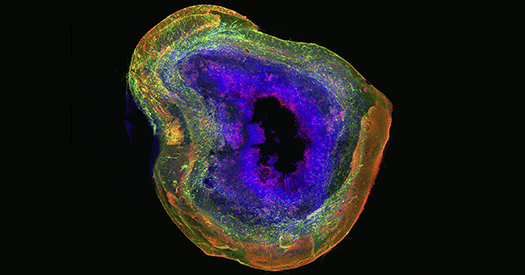
Human brain organoids come of age—but still have room to grow
The U.S. government has touted organoids as an alternative to animals for studying the brain. The model has improved since its debut in 2013, but scientists are still working to overcome key limitations: immaturity, consistency and the lack of vascularization.
 ResearchOct 20, 2026· The Transmitter (Spectrum)
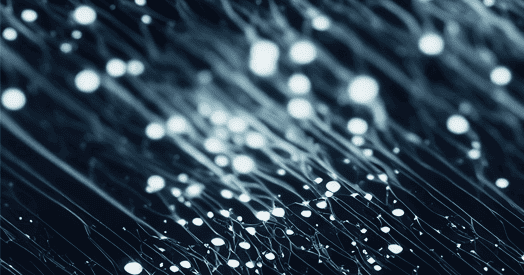
Finding neuroheterogeneity’s sweet spot
Once thought to be detrimental to memory processing, neuronal diversity—at the right ‘Goldilocks’ dose—is a new boon to theoretical neuroscience.
 ResearchOct 20, 2026· The Transmitter (Spectrum)
COVID-19 and influenza effects in pregnancy; and more
Here is a roundup of autism-related news and research spotted around the web for the week of 19 October.
 ResearchOct 19, 2026· The Transmitter (Spectrum)
What to do when traditional mechanistic approaches no longer work
Many complex behaviors have stubbornly resisted mechanistic explanations. Deciphering them will require new approaches—and perhaps a new concept of “understanding.”
 ResearchOct 16, 2026· The Transmitter (Spectrum)
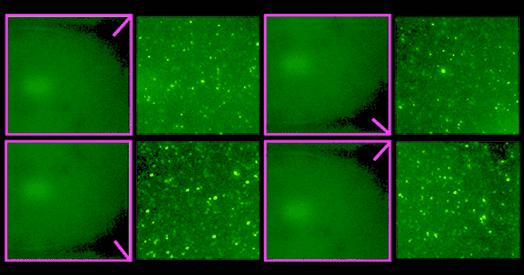
University probe leads to retraction of four neural tube studies
The University of Maryland conducted an internal investigation that identified image duplications and other data integrity issues in the studies, according to the retraction notices.
 ResearchOct 16, 2026· The Transmitter (Spectrum)
Highly cited autism paper earns expression of concern over data duplications
The notice, published in Nature last week, also addressed an image duplication identified by a prominent research-integrity sleuth.
 ResearchOct 16, 2026· The Transmitter (Spectrum)
Govern neurodata by how it’s used, not where it’s from
New neurodata laws will shape how researchers gather, share and reuse brain data. A use-based governance protects basic researchers and those whose data are being used, without freezing science.
 ResearchOct 15, 2026· The Transmitter (Spectrum)
How new technologies can bring primatologists and systems neuroscientists together
The two groups study the same behavioral phenomena yet rarely interact or read each other's work—a mutual blind spot that weakens both fields. New technologies offer a chance to bring them together.
- CommunityOct 14, 2026· Autism Society of America
Capitol Connection: October 15, 2026
In this edition of Capitol Connection, we share updates on federal agency actions affecting the Autism community, new data on students with disabilities and school discipline, and legislation endorsed by the Autism Society of America to advance access, inclusion, and support for Autistic individuals and their families. With Election [...] The post Capitol Connection: October 15, 2026 appeared fir…
 ResearchOct 14, 2026· The Transmitter (Spectrum)
Creating community through grant support
Fiona Sanderson, a senior program manager at the Brain Canada Foundation, shares how she got into grant administration and how she helps connect researchers with funding and one another.
 ResearchOct 14, 2026· The Transmitter (Spectrum)
This paper changed my life: A first glimpse into the ‘middle’ of brain processing
Work by Jeffrey Moran and Robert Desimone showed that monkeys could focus their attention on different stimuli in their visual field without shifting their gaze. Their work marked a key milestone in the emergence of cognitive neuroscience.
 ResearchOct 13, 2026· The Transmitter (Spectrum)
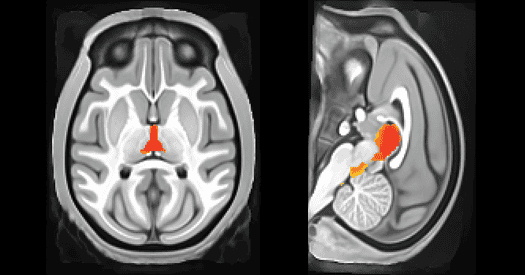
Acetaminophen effects on developing brain organoids; and more
Here is a roundup of autism-related news and research spotted around the web for the week of 12 October.
 ResearchOct 13, 2026· The Transmitter (Spectrum)
Private initiative makes ‘historic’ investment in autism research
Aligning Research to Impact Autism has committed more than $450 million to build a new multidisciplinary research network to uncover the roots of profound autism and develop treatments.
 ResearchOct 12, 2026· The Transmitter (Spectrum)
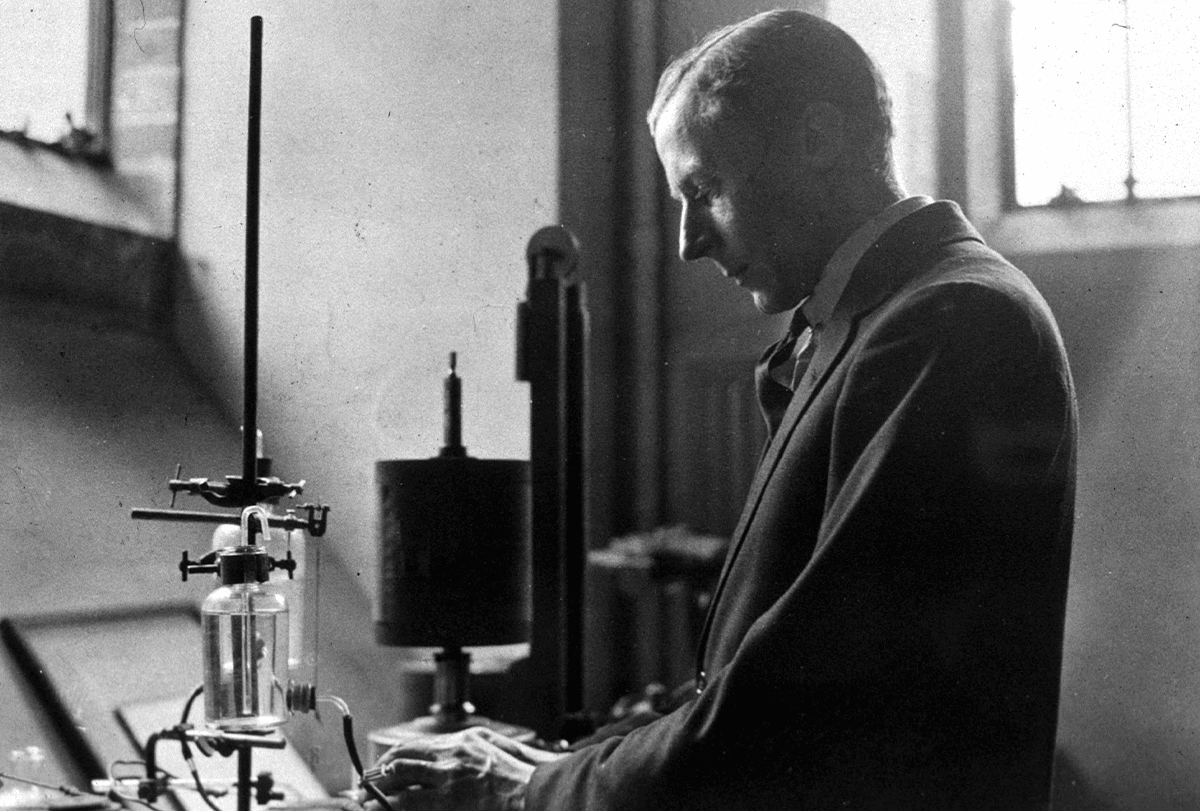
The neural code at 100
In two 1926 articles, Edgar Douglas Adrian revealed that neurons communicate through trains of spikes.
 ResearchOct 9, 2026· The Transmitter (Spectrum)
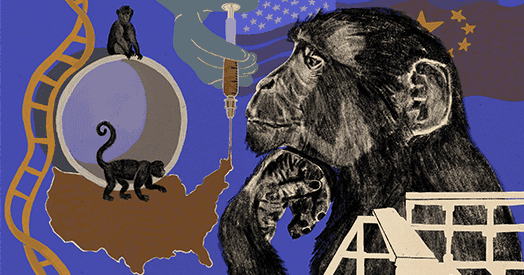
U.S. national primate research centers face an uncertain future
The facilities were meant to last 100 years. Four decades shy of that mark, amid flatlined funds and mounting political pressure, their directors are trying to find a path forward.
 ResearchOct 9, 2026· The Transmitter (Spectrum)
What if nonhuman primate research goes away?
As the U.S. government takes steps to stop using nonhuman primates in research, The Transmitter investigates what that shift could mean for neuroscience.
 ResearchOct 9, 2026· The Transmitter (Spectrum)
The neuroscience questions that need nonhuman primates
The Transmitter asked 17 neuroscientists what questions might remain unanswered if support for nonhuman primate research continues to decline.
 ResearchOct 8, 2026· The Transmitter (Spectrum)
Number of autism-linked genes more than triples in new analyses
In addition to a new preprint that expands the list of genes tied to the condition, two related analyses reveal how variants in those genes contribute to genetic susceptibility.
 ResearchOct 7, 2026· The Transmitter (Spectrum)
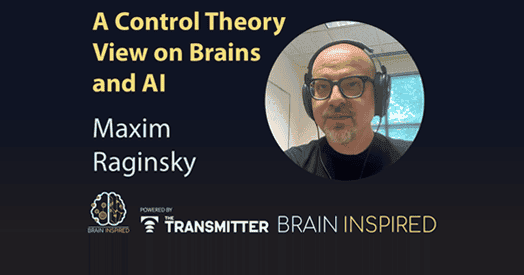
How does a control theorist explain cognition?
Maxim Raginsky draws on control theory, engineering and philosophy to explore what makes biological brains intelligent, what artificial intelligence is missing, and what principles underlie biological autonomy.
 ResearchOct 7, 2026· The Transmitter (Spectrum)
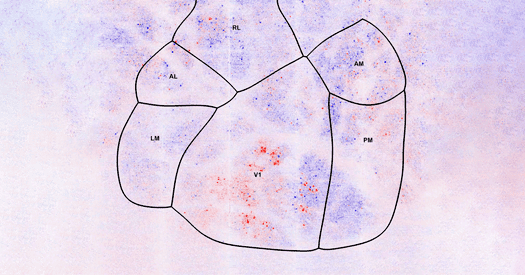
Holographic mesoscope reads, writes from different cortical regions simultaneously
The tool could help reveal how information transmission between areas relates to perception, cognition and behavior.
 ResearchOct 6, 2026· The Transmitter (Spectrum)
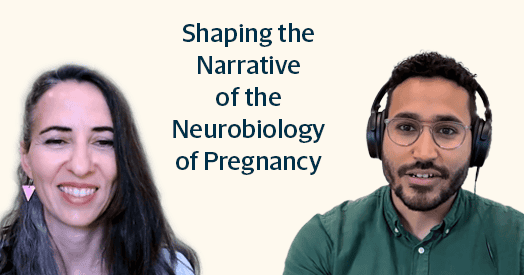
Susana Carmona on the neurobiology of pregnancy
In a Q&A about her new book, “A Mother’s Brain,” Carmona shares key moments in her career that led her to study the neuroscience of motherhood and discusses some of the major questions the field still needs to address.
 ResearchOct 6, 2026· The Transmitter (Spectrum)
Aging biomarkers in autism; and more
Here is a roundup of autism-related news and research spotted around the web for the week of 5 October.
 ResearchOct 6, 2026· The Transmitter (Spectrum)
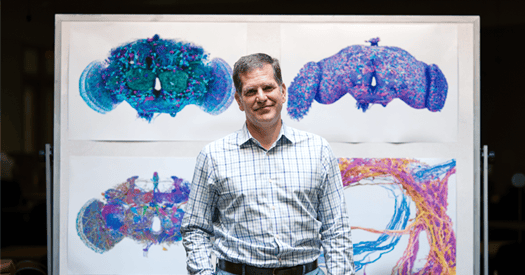
Beyond wiring diagrams: Inside a $19 million effort to expand access to connectome technology
Davi Bock’s lab took the millions of images that led to the complete connectome of a fruit fly brain. Now he wants to apply “this high-throughput flashlight across all areas of biology.”
 ResearchOct 5, 2026· The Transmitter (Spectrum)
How Nobel Prize-winning optogenetics has revolutionized neuroscience
The technique has enabled neuroscientists to target brain circuits and cells with unprecedented specificity, transforming the study of memory, interoception, brain disorders and reward, among other domains.
 ResearchOct 5, 2026· The Transmitter (Spectrum)
Is confidence a second thought—or part of the first one?
In some settings, neural circuits may calculate confidence in a decision simultaneously with the choice itself. That changes the types of questions researchers should ask.
 ResearchOct 5, 2026· The Transmitter (Spectrum)
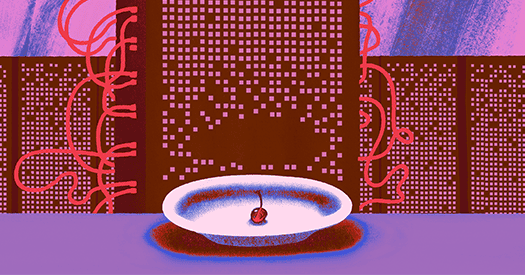
What AI can learn from hunger
To enhance AI safety, take a lesson from biological brains; a small set of wants maintains durable control over a much larger cognitive system.
 ResearchOct 2, 2026· The Transmitter (Spectrum)
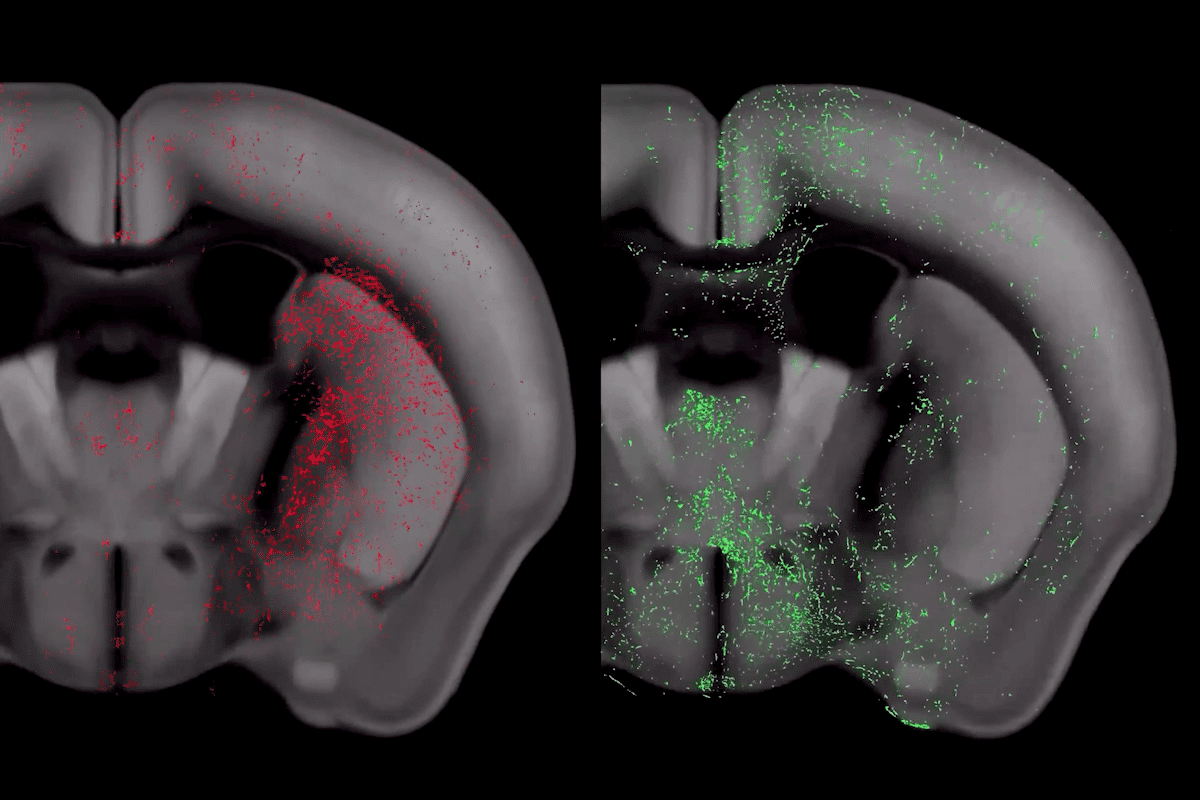
New projectome captures ‘complex beast’ of serotonin system in mice
The whole-brain map—the first of its kind in a vertebrate—identifies five distinct neuron groups.
 ResearchOct 2, 2026· The Transmitter (Spectrum)
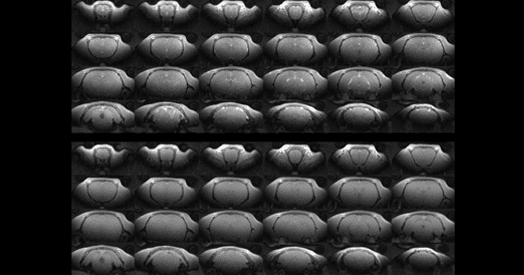
Silent, motion-resistant fMRI expands scans in behaving mice
The method, called SORDINO, captures brain images in animals while they move and interact.
 ResearchOct 1, 2026· The Transmitter (Spectrum)
Autism-linked variants converge on two molecular patterns in mouse brains
Gene activity across 17 autism mouse models occurs in either of two opposing transcriptomic states, supporting the idea that diverse genetic changes may converge on a few recurring biological patterns.
 ResearchSep 30, 2026· The Transmitter (Spectrum)
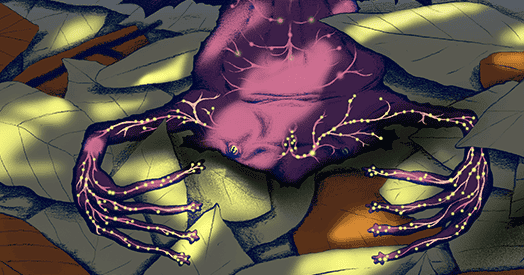
How the pipa frog hunts prey by touch
Each of the frog’s eight fingers branches into 16 ultra-sensitive tips, which together function as a fovea—potentially the first demonstration of this type of sensory structure outside of mammals.
 ResearchSep 30, 2026· The Transmitter (Spectrum)
Response to ‘Finally, a new route for the magnetic-sense field’
Magnetoreception in Drosophila has much to offer those with an interest in neuroscience.
 ResearchSep 29, 2026· The Transmitter (Spectrum)
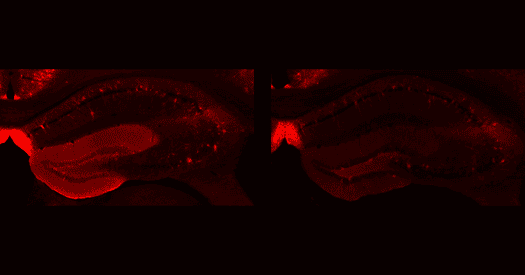
Organoids missing the TSC2 gene form rogue astrocytes; and more
Here is a roundup of autism-related news and research spotted around the web for the week of 28 September.
 ResearchSep 29, 2026· The Transmitter (Spectrum)
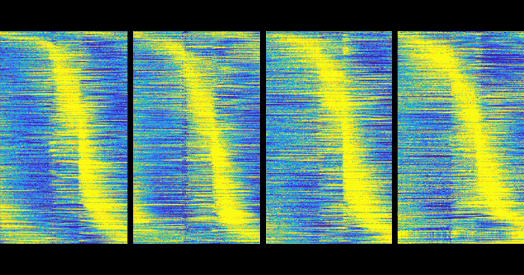
Cerebellar neurons reorient brain activity to differentiate similar behaviors
The findings provide a new perspective on how granule cells help to generalize learning across tasks.
- CommunitySep 28, 2026· Autism Society of America
Autism Society of America AuQUA Life and A Safe Pool Join Forces to Advance Water Safety and Drowning Prevention
Water safety is everyone’s responsibility. For the Autism community, prevention requires understanding, preparation, and multiple layers of protection. The Autism Society of America’s AuQUA Life program is proud to announce a new collaborative partnership with A Safe Pool, bringing together two organizations with complementary expertise and a shared commitment to preventing drowning and promoting…
 ResearchSep 28, 2026· The Transmitter (Spectrum)
Revisiting the neural correlates of consciousness
Life happens in real time, but experience may be composed in ragtime—like the music genre, full of offbeat notes and uneven rhythms. The assumption that waking life consists of a “stream” of conscious representations has inadvertently led consciousness science to its current impasse.
 ResearchSep 25, 2026· The Transmitter (Spectrum)
Grant review needs reform. How about we add an element of chance?
A process that uses a lottery system saves time, reduces strategic resubmission and accepts that, above a quality threshold, luck has always played a part in science funding.
 ResearchSep 25, 2026· The Transmitter (Spectrum)
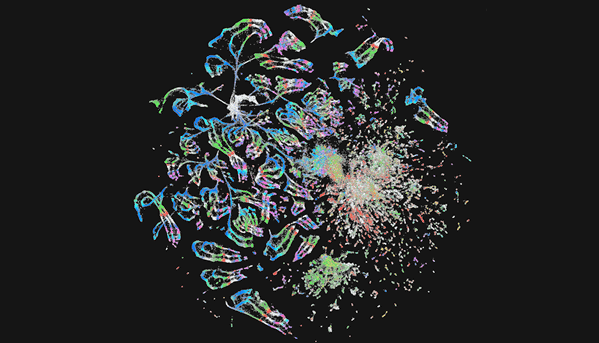
Fly neurons carry molecular signatures of their origins
The pattern of transcription factors a Drosophila neuron expresses offers clues to its lineage and birth order—and ultimately how neural circuits emerge.
 ResearchSep 24, 2026· The Transmitter (Spectrum)
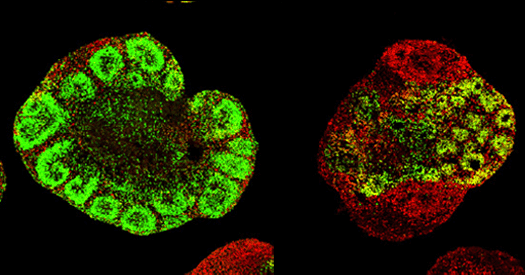
Polarized cortical organoids mimic the brain’s regional organization
The organoids show region-specific gene-expression changes that match those observed during fetal development.
 ResearchSep 23, 2026· The Transmitter (Spectrum)
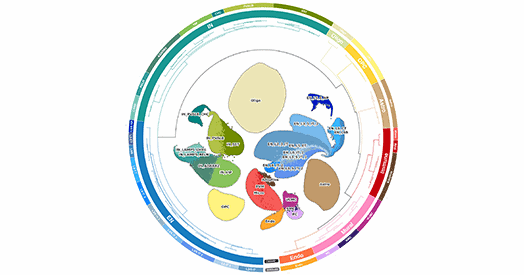
Prefrontal cortex has three transcriptomic acts across human lifespan, new atlas suggests
Various genes show distinct exits and entrances with age in the open-source dataset, the largest of its kind to date.
 ResearchSep 23, 2026· The Transmitter (Spectrum)
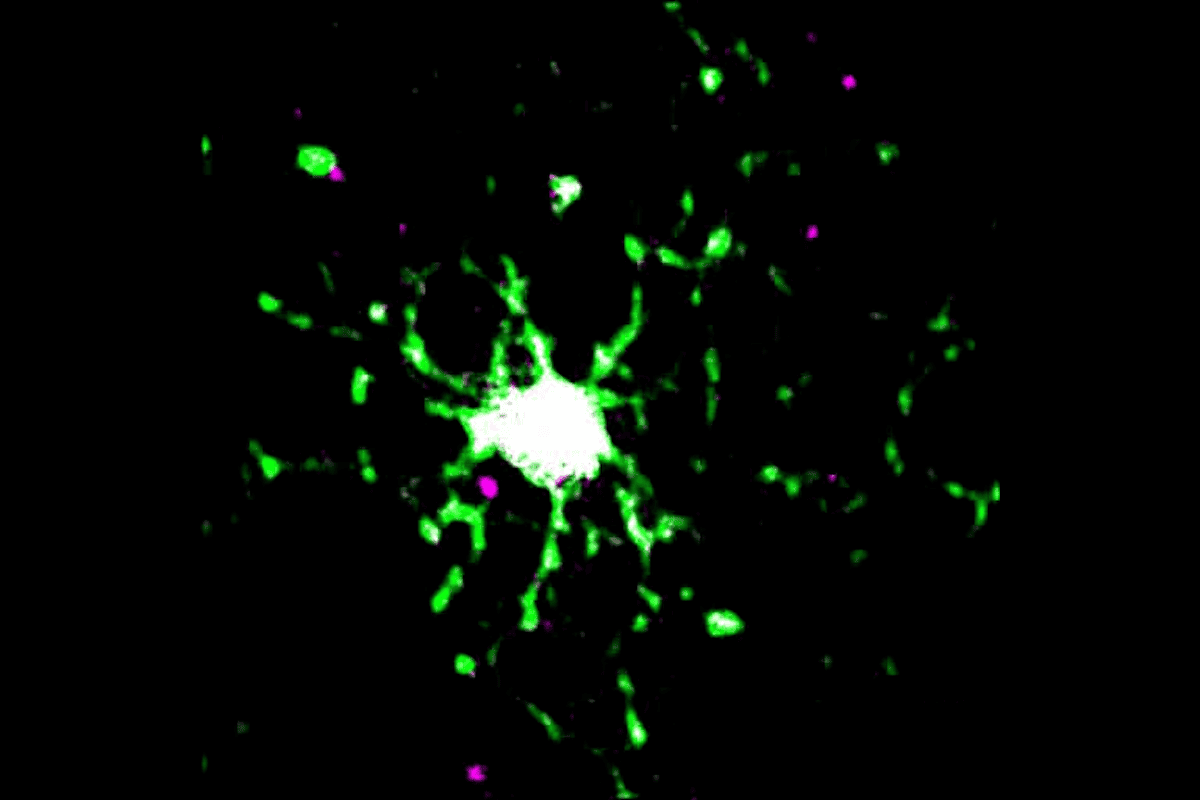
Microglia scoop out garbage from inside neurons
Through a newly identified process called skoupocytosis, neurons recruit the immune cells to remove cellular waste they find hard to deal with themselves.
 ResearchSep 23, 2026· The Transmitter (Spectrum)
How neuromorphic computing could improve AI
Mihai Petrovici explains what neuromorphic computing is and how it can speed up and reduce energy consumption in artificial intelligence and brain simulations.
 ResearchSep 22, 2026· The Transmitter (Spectrum)
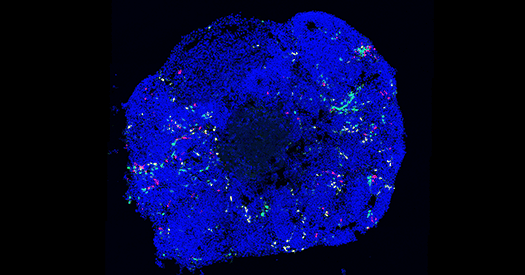
Hasty stem cells highlight potential limitation with cortical organoids
The models recapitulate many key developmental processes, but some radial glial cells in mouse organoids make neurons earlier than they should.
- ResearchSep 22, 2026· The Transmitter (Spectrum)
Two populations of neurons, two effects on sociability; and more
Here is a roundup of autism-related news and research spotted around the web for the week of 21 September.
 ResearchSep 21, 2026· The Transmitter (Spectrum)
Finding the Rett syndrome gene and ways to fix it
Kevin Mitchell talks with Huda Zoghbi about her work identifying the MECP2 gene, its role in the brain and therapies to address its dysfunction.
 ResearchSep 18, 2026· The Transmitter (Spectrum)
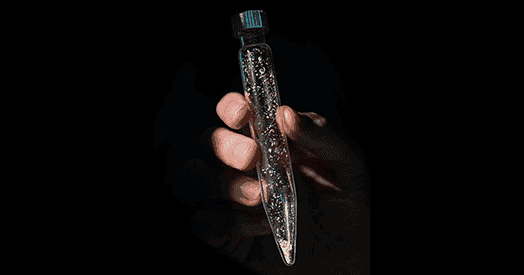
Measuring plastic in the brain: Improving, but incomplete
Meanwhile, researchers are publishing papers without “sufficient quality control,” says analytical chemist Dušan Materić.
 ResearchSep 17, 2026· The Transmitter (Spectrum)
Incredible shrinking grant deadlines at the BRAIN Initiative
“A month is crazy,” says one former recipient, referring to a new funding opportunity’s timeline.
 ResearchSep 17, 2026· The Transmitter (Spectrum)
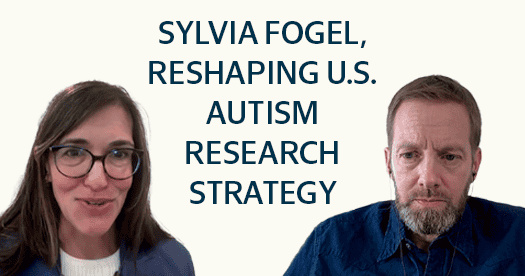
Sylvia Fogel, reshaping U.S. autism research strategy
In a wide-ranging and provocative interview, the chair of the federal Interagency Autism Coordinating Committee shares her views on vaccines, regression, neuroimmune conditions and more.
 ResearchSep 16, 2026· The Transmitter (Spectrum)
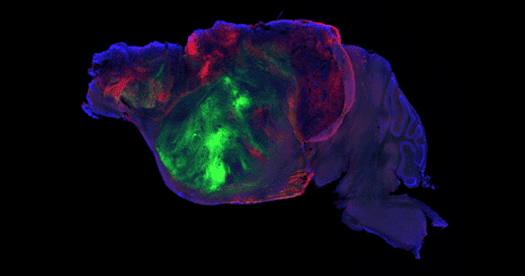
Human brain organoids flourish in emptied mouse cortex
The chimeric mice could help untangle the biology of human brain development or conditions such as autism.
- ResearchSep 4, 2026· NPR
Scientists map protein networks linked to profound autism
A study in Science charts hundreds of protein interactions tied to genes associated with profound autism, using lab-grown brain tissue. It is basic science — no treatment yet — but it gives researchers concrete targets to study.
- CommunitySep 4, 2026· Pediatric Investigation via News-Medical
Early autism identification breaks down after the screening, review finds
Reviewing evidence for children ages 0–5, researchers found screening can speed up diagnosis but repeatedly stalls afterward — referrals, evaluation slots, and service capacity are where families get stuck. Keep asking for re-screening at later well-child visits if concerns continue.
- ResearchSep 1, 2026· SciTechDaily / University of Southern Denmark
Brain scans show dopamine signaling differences in autistic adults
Three types of brain imaging together revealed links between dopamine signaling, brain energy use, and how brain networks communicate in autistic adults — early work that may help explain differences in motivation, movement, and attention.
- ResearchSep 1, 2026· Disability Scoop
Largest autism brain map to date points toward more targeted supports
Researchers unveiled the biggest brain map of autism yet, identifying patterns that could eventually guide more individualized therapies. The findings landed the same week a federal advisory committee debated future research priorities.
- ResearchAug 20, 2026· UVA Health
New UVA tool separates genetic and environmental contributions to autism risk
University of Virginia researchers built a statistical tool that helps tease apart how much genes versus environment shape a child's autism-related traits — aimed at individualized understanding rather than a single "cause."
- CommunityAug 20, 2026· yourNEWS
Shortage of trained professionals leaves autistic children stuck on post-diagnosis waitlists
Getting a diagnosis is only the first hurdle: there aren't enough trained therapists and specialists to deliver early intervention, and families describe long delays between diagnosis and the start of real support.
- ResearchAug 19, 2026· BMC Neurology
Protein markers linked to brain cell structure found altered in autistic children
Researchers measured two proteins involved in brain cell structure (Neuregulin 2 and tubulin) and found different levels in autistic children compared with peers. This is early biomarker research — not a diagnostic test families can use yet.
- CommunityAug 17, 2026· KTAR News
Arizona opens the state's first primary care clinic dedicated to autistic patients
A new Phoenix clinic — a partnership between Arizona Autism Charter Schools and Mercy Care — gives autistic children and adults routine primary medical care in a more accommodating, sensory-aware setting.
- ResearchAug 10, 2026· SFARI (Simons Foundation)
Simons Foundation releases long-read genome data to speed autism research
SFARI released long-read whole genome sequencing data from 110 people across 37 SPARK families, making richer genetic data available to more scientists studying autism.
- NeurodiversityAug 7, 2026· Autistic Self Advocacy Network
ASAN essay: loving disabled family members without paternalism
An autistic, disabled writer reflects on building community and showing love for disabled relatives without the silence or pity that often surrounds disability — a reminder that respect matters as much as services.
- CommunityAug 1, 2026· UC Davis Health
UC Davis conference helps Spanish-speaking families navigate autism services
UC Davis Health held a conference aimed at helping Spanish-speaking parents understand and access autism and developmental disability services — part of a push to close language and equity gaps in diagnosis and support.
- ResearchJul 30, 2026· Molecular Autism
Caregiver survey validated for autistic people with limited spoken language
A large, diverse U.S. study validated a caregiver-report survey designed to better capture the abilities of minimally verbal autistic children and adults — a step toward matching services to how a person actually communicates.
- CommunityJul 27, 2026· WFLX / Palm Beach families
Florida families say Medicaid dropped ABA coverage with no warning
Palm Beach County parents report their children abruptly lost Medicaid-funded applied behavior analysis, with no notice and no explanation from the state health agency. Families are organizing appeals and asking legislators for a written coverage policy.
- ResearchJul 21, 2026· BMC Psychiatry
Early sensory differences in toddlers predict later autistic traits
A prospective cohort study finds that sensory responsivity differences measured in toddlerhood — hyper- and hypo-reactivity both — are associated with autistic traits years later, supporting sensory profiles as an early, actionable signal for families and clinicians.
- ResearchJul 15, 2026· Journal of Autism and Developmental Disorders
Sensory processing strongly shapes executive function in young autistic children
New analysis in JADD shows sensory responsivity differences account for a meaningful share of executive-function difficulty — planning, shifting, and self-control — suggesting sensory supports may do double duty as executive-function supports.
- CommunityJul 13, 2026· Autism Society of North Carolina
North Carolina's first full budget since 2023 sets new terms for autism and IDD services
The Autism Society of NC breaks down what the 2026-27 state budget, signed July 7, means for families: direct-support wage funding, Innovations Waiver slots, and the reauthorization rules tied to the ongoing ABA coverage rewrite.
- ResearchJul 2, 2026· Frontiers in Psychiatry
Systematic review: parent-mediated early intervention improves outcomes for infants and toddlers
A review of randomized controlled trials of parent-mediated programs for babies and toddlers showing early signs of autism finds consistent gains in caregiver responsiveness and child social communication — the strongest evidence yet that coaching families works as well as clinic hours.
- ResearchJun 8, 2026· The Lancet Psychiatry
Meta-analysis: naturalistic developmental behavioral interventions show durable gains at 24 months
Pooled data from 38 trials finds NDBI approaches (like JASPER and ESDM) sustain social-communication gains two years post-intervention, with strongest effects when parents are active co-therapists.
- NeurodiversityJun 4, 2026· Autistic Self Advocacy Network
Autistic self-advocates launch open dataset on sensory accommodation needs
A community-built, consent-first dataset compiles thousands of first-person reports on sensory triggers and accommodations that work — aimed at schools, employers, and clinicians.
- CommunityJun 1, 2026· Autism Society of America
Summer camp scholarships expand for autistic kids in 14 states
A coalition of family foundations announces $4.2M in scholarships for sensory-inclusive day and overnight camps, with priority for siblings and rural families.
- ResearchMay 28, 2026· Pediatrics
Sleep-first intervention reduces daytime dysregulation in preschoolers
A randomized trial shows a brief parent-delivered sleep routine protocol cut bedtime resistance by 46% and improved next-day emotional regulation in autistic 3–5 year olds.
- ResearchMay 27, 2026· Nature Genetics
Large-scale genomic study identifies 71 new autism-linked genes
An international consortium expands the known autism-associated gene set, strengthening the case for heterogeneous biological subtypes — and personalized supports.
- NeurodiversityMay 23, 2026· Autism in Adulthood
Autistic-led research network publishes priorities for the next decade
AASPIRE and partner self-advocate groups release a community-driven research agenda emphasizing quality of life, mental health, and acceptance over cure-oriented work.
- ResearchMay 20, 2026· Research in Autism Spectrum Disorders
Review: sex education tailored to autistic youth reduces risky behavior and improves knowledge
A systematic review across 21 studies concludes that structured, visual, autism-specific sexuality curricula (including Tackling Teenage and Healthy Bodies) meaningfully improve psychosexual knowledge, boundary skills, and self-reported safety — while generic school sex-ed does not.
- ResearchMay 20, 2026· JAMA Pediatrics
Early parent-coaching cuts time-to-services for underserved families
A pragmatic trial in three US states shows brief parent coaching during the diagnostic waitlist meaningfully accelerates skill gains for children from low-income households.
- CommunityMay 16, 2026· ASHA Leader
AAC access expands as Medicaid clarifies coverage in 9 more states
New guidance removes 'prerequisite' barriers — like demonstrated speech — that historically blocked nonspeaking children from getting speech-generating devices.
- ResearchMay 13, 2026· Journal of Special Education
Sensory-friendly classroom modifications improve learning outcomes K-3
Lighting, acoustic, and seating adjustments produced measurable gains in attention and reduced classroom dysregulation in a multi-site study.
- NeurodiversityMay 9, 2026· American Academy of Pediatrics
First identity-first language style guide adopted by major pediatric body
Updated editorial guidance respects autistic adults' preferences for identity-first language ('autistic child') alongside person-first when families prefer it.
- CommunityApr 14, 2026· Autism Society of America
Advocates push for disability-informed police training after wave of autistic-teen arrests
Coverage of several 2025–26 cases where autistic teens were arrested for public undressing or misread social advances has renewed calls for mandatory I/DD-response training and prosecutorial diversion programs.
- NeurodiversityMar 2, 2026· Autistic Self Advocacy Network
ASAN publishes plain-language guide on consent, boundaries, and the criminal-legal system
The Autistic Self Advocacy Network releases a free plain-language toolkit for autistic teens and adults covering consent, appropriate touch, online behavior, and what to do if stopped by police — co-written by autistic self-advocates and disability-rights attorneys.
- ResearchFeb 11, 2026· Journal of Autism and Developmental Disorders
PEERS® young-adult curriculum shows durable dating and boundary-skill gains at 2-year follow-up
A UCLA-led follow-up of the PEERS® for Young Adults RCT finds sustained improvements in dating etiquette, handling rejection, and reading social cues — outcomes directly linked to reduced misunderstanding-driven conflict.
- CommunityJan 18, 2026· Organization for Autism Research
Organization for Autism Research expands free 'Sex Ed for Self-Advocates' with parent companion
OAR adds a parent-facing companion to its widely-used sexuality guide, giving families scripts, visuals, and staged conversations for pre-teens through young adults — including private-vs-public behavior and online safety.